 Rice
Rice
Use of improved high-yield varieties such as FARO 44, FARO 52, and FARO 57, developed by National Cereal Research Institute (NCRI) and Africa Rice. Irrigated rice farming in areas with water control systems, such as Hadejia-Jama’are, Sokoto-Rima, and Lower Niger irrigation schemes. Weed control through manual weeding and herbicides (e.g., Butachlor, Pretilachlor). Paddy field maintenance for proper water management in lowland and swampy areas.
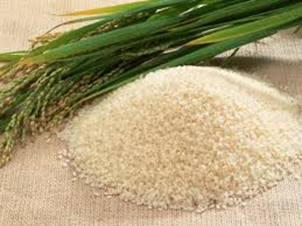
Well-drained loamy or clayey soil with high water retention capacity and a pH of 5.5–6.5. Rice thrives best in wetlands, floodplains, and irrigated fields. Maize thrives best in soils with good moisture retention and adequate fertility.
Rice is cultivated across Nigeria, with major producing states including Kebbi, Kano, Niger, Ebonyi, Taraba, Benue, Nasarawa, Kaduna, Ekiti, Ogun, and Cross River. The North-West and North-Central regions lead in rice production due to large irrigation schemes and vast arable land. The North-central and North-west regions account for the highest maize production due to favorable climate and soil conditions.
Rain-fed upland and lowland farming: May–July (onset of rains). Irrigated rice farming: October–January (using irrigation facilities). Floodplain farming (fadama): August–September. Dry season (Irrigated farming): October–December (especially in regions with irrigation facilities like Kano and Niger states).
Rain-fed farming: October–December. Irrigated farming: February–April. Dry season farming: February–April.
Short-duration varieties: 90–100 days. Medium-duration varieties: 120–140 days. Long-duration varieties: 150–180 days.
Land Preparation: Plowing, harrowing, and puddling (for flooded rice fields). Planting Methods: Direct seeding: Seeds are sown directly in prepared fields. Transplanting: Seedlings are raised in nurseries for 21–30 days before being transplanted into main fields. Spacing: 20 cm × 20 cm (row planting) or broadcasted in water-covered fields. Fertilizer Application: Basal application of NPK 15:15:15 at planting. Top dressing with Urea (46% N) at 3–4 weeks and 6–8 weeks after planting.
Use of improved high-yield varieties such as FARO 44, FARO 52, and FARO 57, developed by National Cereal Research Institute (NCRI) and Africa Rice. Irrigated rice farming in areas with water control systems, such as Hadejia-Jama’are, Sokoto-Rima, and Lower Niger irrigation schemes. Weed control through manual weeding and herbicides (e.g., Butachlor, Pretilachlor). Paddy field maintenance for proper water management in lowland and swampy areas.
Major rice pests in Nigeria include Rice Stem Borers, African Rice Gall Midge, Armyworms, and Rodents. Control measures: Application of Lambda-cyhalothrin, Carbofuran, or Neem-based bio-pesticides. Integrated Pest Management (IPM) practices like timely planting and biological control. Use of scarecrows, traps, and fencing to reduce bird and rodent damage.
Manual harvesting using sickles or knives (common in smallholder farms). Mechanical harvesting using combine harvesters (in large-scale farms). Threshing and winnowing to separate grains from husks. Drying rice grains to 12–14% moisture content before milling and storage.
Nigeria is the largest rice producer in Africa, producing over 5 million metric tons annually. Rice is a staple food for over 200 million Nigerians, ensuring high local demand. The government has banned rice imports to promote local production. Programs like the Anchor Borrowers’ Programme (ABP), Rice Farmers Association of Nigeria (RIFAN), and Central Bank of Nigeria (CBN) initiatives support rice farming with funding, inputs, and mechanization. High-profit margins for farmers, millers, and traders due to increasing local demand for parboiled and polished rice.

© Designed with by Adam Musa Yau