Select a crop to get vital information on how to produce that particular crop.
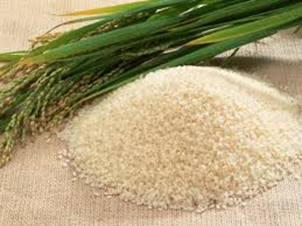
Use of improved high-yield varieties such as FARO 44, FARO 52, and FARO 57, developed by National Cereal Research Institute (NCRI) and Africa Rice. Irrigated rice farming in areas with water control systems, such as Hadejia-Jama’are, Sokoto-Rima, and Lower Niger irrigation schemes. Weed control through manual weeding and herbicides (e.g., Butachlor, Pretilachlor). Paddy field maintenance for proper water management in lowland and swampy areas.....
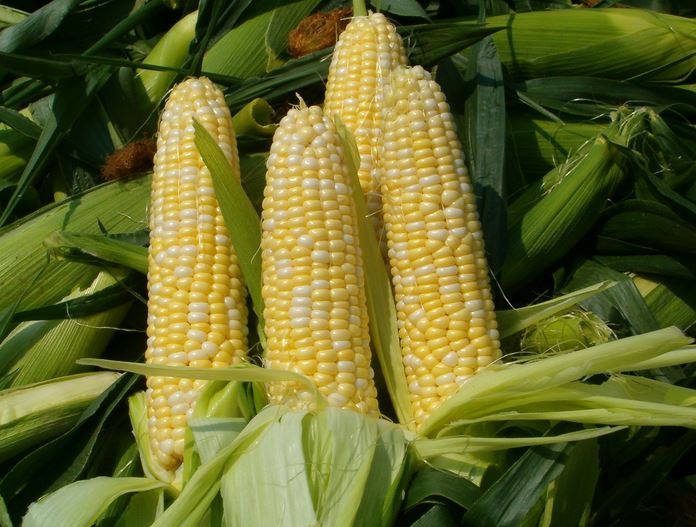
Use of high-yield hybrid maize varieties such as SAMMAZ 17, SAMMAZ 32, and Oba Super 2, developed by research institutes like IITA and IAR Zaria. Weed control through manual weeding or herbicides (e.g., Atrazine, Glyphosate). Proper irrigation in dry season farming, particularly in the Hadejia-Jama’are River Basin and other irrigation schemes. Crop rotation with legumes like cowpea and soybean to improve soil fertility.....
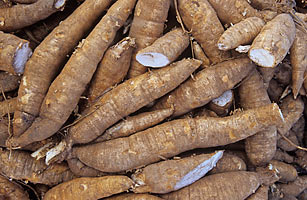
Use of high-yield, disease-resistant varieties like TMS 30572, TME 419, and NR 8082, developed by International Institute of Tropical Agriculture (IITA) and National Root Crops Research Institute (NRCRI). Weed control through manual weeding or herbicides (e.g., Glyphosate, Atrazine). Intercropping with maize, legumes, or vegetables to optimize land use. Irrigation systems used in some areas for dry season farming. ....
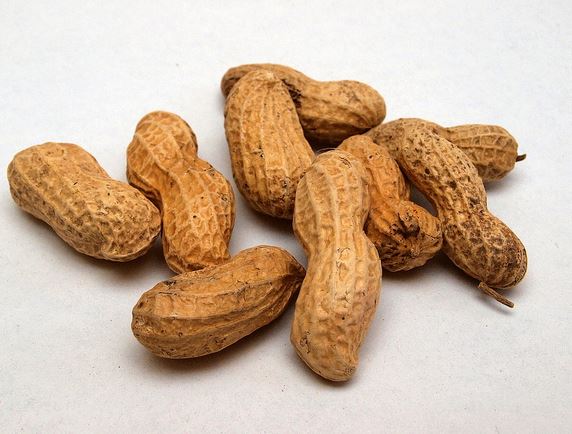
Use of high-yield, drought-resistant varieties like SAMNUT 24, SAMNUT 25, and SAMNUT 26, developed by Institute for Agricultural Research (IAR), Ahmadu Bello University Zaria. Weed control through manual weeding or pre-emergence herbicides (e.g., Alachlor, Pendimethalin). Crop rotation with cereals (e.g., maize, sorghum) and legumes (e.g., cowpea, soybeans) to prevent soil depletion. Irrigation in dry season farming using drip or furrow irrigation. ....
Use of high-yield varieties like Smooth Cayenne, Queen, MD-2, and Red Spanish. Weed control through manual weeding or mulching to suppress weeds and retain moisture. Irrigation systems are used for dry season farming. Plant growth regulation using ethylene-based chemicals to induce uniform fruiting.....
Use of high-yield, disease-resistant tomato varieties like UC-82B, Roma VF, Cherry Tomato, and Dan China. Mulching and drip irrigation to retain soil moisture and control weeds. Stake support for indeterminate varieties to prevent lodging. Crop rotation with legumes (e.g., cowpea, soybeans) to improve soil fertility.....
Use of high-yield, disease-resistant onion varieties like Red Creole, White Lisbon, Violet de Galmi, and Dan Zaria. Irrigation systems (drip or furrow) are used during dry season farming. Mulching helps retain soil moisture and suppress weeds. Crop rotation with cereals (e.g., maize, millet) or legumes to prevent soil depletion and disease buildup.....
Use of high-yield, pest-resistant varieties like SAMPEA-11, IT97K-499-35, and IT89KD-288. Mulching helps retain soil moisture and suppress weeds. Crop rotation with cereals (e.g., maize, millet) or tubers to improve soil health. Intercropping with maize, sorghum, or groundnut helps maximize land use.....
Use of high-yield, pest-resistant cotton varieties such as SAMCOT 9, SAMCOT 10, and SAMCOT 11, developed by the Institute for Agricultural Research (IAR), Ahmadu Bello University Zaria. Weed control through manual weeding or pre-emergence herbicides (e.g., Pendimethalin, Alachlor). Intercropping with maize, sorghum, or legumes to improve soil fertility. Irrigation systems used in some areas for dry season farming.....
Use of high-yield, drought-tolerant millet varieties like LCIC 9702, ZATIB, SOSAT-C88, and GB 8735. Intercropping with legumes (e.g., cowpea, groundnut) or sorghum improves soil fertility. Weeding at 3 and 6 weeks after planting ensures better yield. Mulching and minimum tillage help retain soil moisture and prevent erosion.....