 Maize
Maize
Use of high-yield hybrid maize varieties such as SAMMAZ 17, SAMMAZ 32, and Oba Super 2, developed by research institutes like IITA and IAR Zaria. Weed control through manual weeding or herbicides (e.g., Atrazine, Glyphosate). Proper irrigation in dry season farming, particularly in the Hadejia-Jama’are River Basin and other irrigation schemes. Crop rotation with legumes like cowpea and soybean to improve soil fertility.
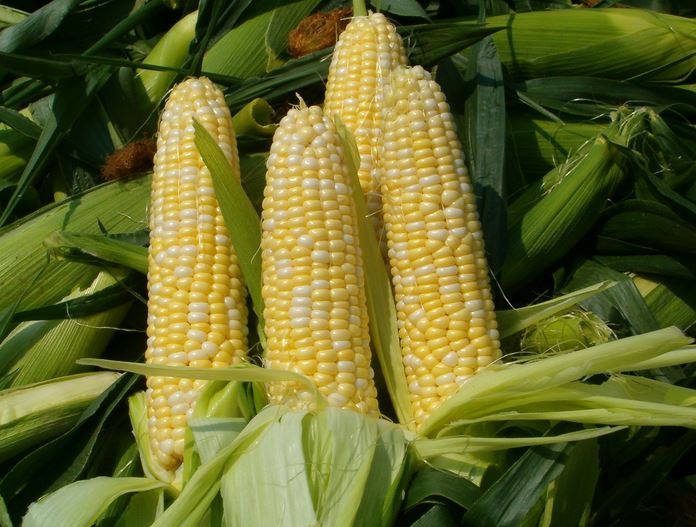
Well-drained loamy soil with a pH of 5.5–7.0, rich in organic matter. Maize thrives best in soils with good moisture retention and adequate fertility.
Maize is cultivated in all regions of Nigeria, but the leading producing states include Kaduna, Niger, Kano, Katsina, Benue, Plateau, Taraba, Bauchi, and Sokoto. The North-central and North-west regions account for the highest maize production due to favorable climate and soil conditions.
Rain-fed farming: April–June (beginning of rainy season). Dry season (Irrigated farming): October–December (especially in regions with irrigation facilities like Kano and Niger states).
Rain-fed: August–November Dry season farming: February–April
Early-maturing varieties: 90–100 days Late-maturing varieties: 120–150 days
Land Preparation: Plowing, harrowing, and ridging. Planting: Seeds are sown at a depth of 2–3 cm with a spacing of 75 cm (row) × 25 cm (plant). Fertilizer Application: NPK 15:15:15 at planting and Urea (top dressing) at 3–4 weeks after planting.
Use of high-yield hybrid maize varieties such as SAMMAZ 17, SAMMAZ 32, and Oba Super 2, developed by research institutes like IITA and IAR Zaria. Weed control through manual weeding or herbicides (e.g., Atrazine, Glyphosate). Proper irrigation in dry season farming, particularly in the Hadejia-Jama’are River Basin and other irrigation schemes. Crop rotation with legumes like cowpea and soybean to improve soil fertility.
Common maize pests in Nigeria include Fall Armyworm (Spodoptera frugiperda), Stem Borers, and Maize Weevils. Control measures: Insecticide application (e.g., Lambda-cyhalothrin, Cypermethrin, and Neem-based bio-pesticides). Use of pest-resistant maize varieties. Cultural control such as early planting to escape peak pest infestation.
Harvesting is done manually using hand-picking or with mechanical harvesters in large-scale farms. Maize is dried to 12–14% moisture content before storage to prevent post-harvest losses. Proper storage in silos, cribs, or hermetic bags to prevent aflatoxin contamination.
Maize is a key food crop and industrial raw material used in flour production, animal feed, starch, and ethanol. Nigeria is the largest maize producer in Africa, with production exceeding 12 million metric tons annually. It provides income for millions of farmers, especially in the maize belt regions. Government programs like Anchor Borrowers’ Programme (ABP) and initiatives by the Maize Association of Nigeria (MAAN) support maize farming with funding, inputs, and extension services.

© Designed with by Adam Musa Yau