 Groundnut
Use of high-yield, drought-resistant varieties like SAMNUT 24, SAMNUT 25, and SAMNUT 26, developed by Institute for Agricultural Research (IAR), Ahmadu Bello University Zaria. Weed control through manual weeding or pre-emergence herbicides (e.g., Alachlor, Pendimethalin). Crop rotation with cereals (e.g., maize, sorghum) and legumes (e.g., cowpea, soybeans) to prevent soil depletion. Irrigation in dry season farming using drip or furrow irrigation.
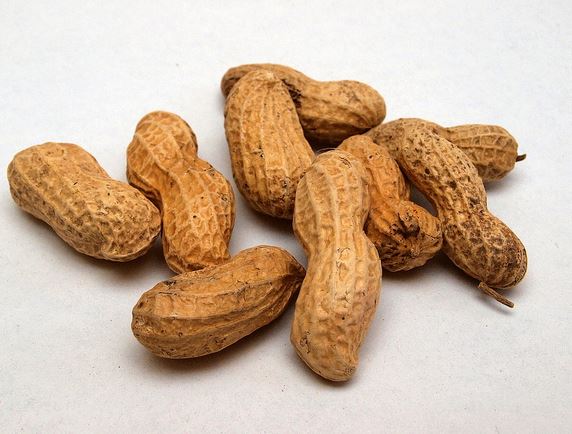
Well-drained sandy loam or loamy soil with a pH of 5.3–6.8. Groundnut thrives in light, aerated soils with moderate moisture and low waterlogging.
Major producing states include Kano, Kaduna, Katsina, Bauchi, Jigawa, Sokoto, Kebbi, Zamfara, Borno, and Taraba. The Northern region of Nigeria is the leading producer due to its suitable climate and soil.
Rain-fed farming: May–July (beginning of rainy season). Irrigated farming: October–December (especially in fadama areas)
Rain-fed farming: September–November. Irrigated farming: February–April.
Early-maturing varieties: 90–110 days. Late-maturing varieties: 120–150 days.
Land Preparation: Land is cleared, plowed, and harrowed to create a fine seedbed. Planting: Seeds are sown directly at a depth of 3–5 cm, spaced 30 cm (between plants) × 60 cm (between rows). Recommended seed rate: 50–70 kg per hectare. Fertilizer Application: Basal application of NPK 15:15:15 or single super phosphate (SSP) at planting. Organic manure (e.g., compost) enhances soil fertility.
Use of high-yield, drought-resistant varieties like SAMNUT 24, SAMNUT 25, and SAMNUT 26, developed by Institute for Agricultural Research (IAR), Ahmadu Bello University Zaria. Weed control through manual weeding or pre-emergence herbicides (e.g., Alachlor, Pendimethalin). Crop rotation with cereals (e.g., maize, sorghum) and legumes (e.g., cowpea, soybeans) to prevent soil depletion. Irrigation in dry season farming using drip or furrow irrigation.
Common groundnut pests in Nigeria include Aphids, Thrips, Groundnut Leaf Miner, and Termites. Control measures: Application of Neem oil, Lambda-cyhalothrin, or Cypermethrin for insect pest control. Early planting to avoid peak insect infestation periods. Biological control using predatory insects like ladybugs against aphids.
Manual harvesting by uprooting mature groundnut plants when leaves turn yellow. Mechanical harvesters used in large-scale farms. Post-harvest drying: Groundnuts are dried under the sun or in mechanical dryers to 8–10% moisture content before storage. Shelling and sorting done manually or using mechanical shellers. Storage in jute bags or airtight containers to prevent aflatoxin contamination.
Nigeria is one of the top groundnut producers in Africa, producing over 3 million metric tons annually. Groundnut is a major cash crop used in food products (groundnut oil, peanut butter, kuli-kuli), animal feed, and industrial raw materials. High export potential for groundnut oil, cake, and flour. The government supports groundnut farming through programs like the Anchor Borrowers’ Programme (ABP) and initiatives by the Nigerian Export Promotion Council (NEPC).

© Designed with by Adam Musa Yau